Excerpt from transcription, audio recorded on Friday, December 27, 2024
Ameer: What got you started in making all your different projects, like, outside Houston Limits, Gary’s Garage, and all that stuff?
Lexi: So, like, I'm starting with the first one I made, the Houston Diaries. That was actually, fun fact, a 4 AM project idea. [Laughter] At 4 AM, I was like, "What's something that's very community-centric that I've not done yet? That's, like, something I know people have thought about doing, but haven't done it yet." And that's the Houston Diaries, which I'm still, like, working on. I've just been busy with some of my other projects. But I'm probably gonna post a video at some point. But, yeah, that project started from just, like I used to do, I think, a community camera. Right? Before I had a camcorder, this was, like, a small point-and-shoot. I'd be like, "Here, take pictures of your own memories and then pass it around to the next person." And then, sadly enough, those cameras got stolen or lost. Fun fact, that's why I stopped doing that one. But then, whenever I was like, "Wait, what's something a lot better, like a lot more fun?" That's whenever I thought of the Houston Diaries with the community camera. It’s the same premise, but with a camcorder. It'd be like, "Here, have fun. Capture your memories and pass it to the next person." It's more of just trying to get people to have different perspectives.
And then, with the Outside Houston Limits thing, it started with me talking to my friends. I was saying, like, "Why do we have shows in Houston, but none down here in Pearland? Like, we gotta change that. There's a scene down here, people just don't pay attention to it because they always think there's nothing. Like, you can't play shows here. I'm like, there is a way. If there's a show on Northside or just anywhere, or Galveston even—shit—you can find somewhere to do a show here." And then we were coming up with names, and my friend Angel was coming up with so many different names. And I was like, "Wait, I figured out something that's simple and to the point." And I was like, "That's a decent one." And then my friend Angel knew a person who knows a person who knows a person that owns a place, and then that's where Gary's Garage started. Before it was Gary's Garage, it was actually a venue back in, I think, the last show was in 2018. So, it was a thing, but it wasn't known as Gary's Garage. It was just another garage venue. But there were shows there before my time, which, like, makes me shocked. Like, shit, I could've gotten into the scene sooner. [Chuckles]
Ameer: what do you wanna get out of the museum?
Lexi: I'm just trying to, like, for that museum project, show how we have a lot of history going on. There's always history being made. Like, there's a funny story: my friend broke his bass string, and that's a museum item now, but that was from him playing his first new project, which was like a 10-minute set. The museum is mainly just for people to see how far the Houston punk scene has come. I'm trying to figure out what year to start from and when to end because there's so much history every day that we just don't realize. It's like I want people to find out what it was like back then.
Ameer: Do you, I guess, for your photography, feel like it's more about capturing history, or do you want to try to have something else in there? (emotionally)
Lexi: For me, one thing is the history behind it, but it’s also the art. I’m trying to make art out of it, too. I’m trying to combine two things at once: doing history and doing art. That’s why you see me doing the long exposures. It’s more about me trying to capture the feeling of the music because that’s how I see music — in long exposures. When I’m moving the camera around, that’s me seeing what the music feels like.
Ameer: Yeah, because I guess, for me, I think I started out being like, 'Oh, I'm just gonna, like, document everything and have this kind of journalistic-esque style going on.' But all of my favorite photos have been when I saw bands that I really, really wanted to see, like Stranger Joy and, even recently, I saw Sikm. I was so fucking happy.
Lexi: Yeah. I bet you were.[laughter]
Ameer: I was so happy. And, the photos, I guess that emotional attachment to them made them better because, like, those are some of my favorite photos, I think.
Lexi: I get that. Like, there are some photos where I feel that way because I'm like, 'Oh my God, I haven't seen this band in so long, and I got to see them. Oh my God.' And I got photos of them too. Shit. Yeah. That's, like, I get that feeling where I'm like, 'Oh my God, I did that.' When I take photos of a band I haven't seen before, but I've wanted to see so badly, I jinx myself. I'm like, 'Did I really take that, or did someone else take that?' I question myself all the time. I'm like, because I don't believe I took that photo until someone else is like, 'Oh, you did that.’
Ameer: For you, how do you keep that excitement up with your photography? Because I know sometimes I’ll go to a show, and I’m taking pictures, but I feel like I’m just kind of taking pictures. I’m not necessarily not having fun, but I’m just, like...
Lexi: It feels like work.
Ameer: Yeah, a little bit. I've been there with my photography. I've done, you know, family portraits, back-to-school photos, and all that stuff. And, you know, I got paid to do it, and I wanted to make a business out of it, but I didn't want to do that. [chuckles] It's like, it starts to suck after a while. So, like, how do you navigate not doing that with this?
Lexi: I pretty much do a lot of art forms besides photography. That's what keeps me busy, besides my booking, museum project, and also helping out with the venue. I also write music—I write lyrics. I started two bands. That's what keeps me busy because, besides writing lyrics, I also write poetry. So, that's what I do to keep myself busy. If I really want to make a trip or go on a walk to take photos, I do that. This helps me get used to it again and get my creative eye out there. For instance, if I want to make an album cover and need a certain photo, I’ll go out and take it. I go on walks and stuff to get the creativity flowing. If I need a break, I just say, 'Alright, I'm doing the right thing with music.' That's how I do it.
Ameer: When you're talking about, like, going out and taking walks, what exactly do you shoot? Do you just shoot, like, nature, or do you try to, like, just whatever is interesting?
Lexi: I would say whatever is, like, catching my eye. Funny enough, there was a shopping cart right around here. I was out with friends one morning. We’re just walking around, and I was like, "What the fuck?" But yeah, it’s really pretty much whatever catches my eye. That’s what I do. That’s where, like, the trippy edits come from—the imagination of what things will look like in a different light, a different look. It’s just more of this, like, whatever catches my eye, or at the moment that I feel like it’s interesting enough to capture.
Ameer: Mhmm. I’d say pretty much my entire photography “career”, I was just, like, outside taking pictures at the same park of the same things and just being like, oh, I got a little bit better this time at taking pictures of the same bird. And, yeah, I think that that affected my photography a lot.
Lexi: Mhmm. You know, it's just like... it's just like I used to say—I’ve been doing photography for, like, seven years, soon to be eight now. God. Anyway, what kept me going with my photography was really just capturing memories. Back in high school, that’s what kept me busy. It was just like, ‘Oh, a hang-out? Let me get my camera, I’ll be right there.’ That’s how it was. I always had my camera on me because memories were everywhere at the time. My friend and I would go on adventures, per se. Like, ‘After this, do you want to go to so-and-so's?’ and I’d be like, ‘Yeah, I can document that.’ That’s what it was. It was just me documenting memories that kept me getting progressively better with my photography.
Ameer: I saw a YouTube video a few months ago, and it was kind of talking about the same thing. I can't remember exactly, but it was about veering away from Instagram photography and being like, "Hey, some of the best photos ever taken were just memories of people, with people being attached to something or someone." I think that's cool.
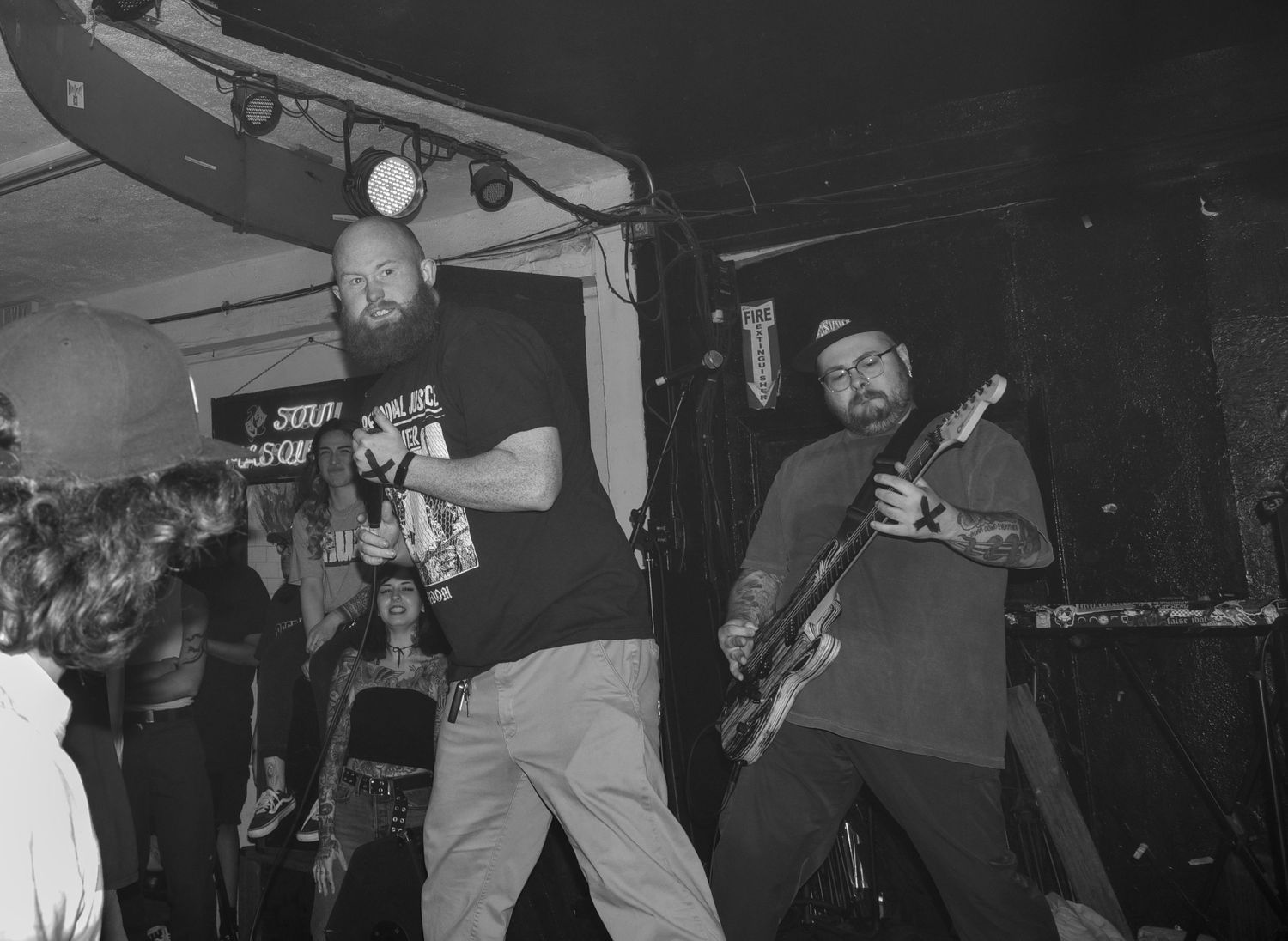
Lexi: Yeah, when I do my photography, I run it as a business as well, but, like, I mainly do it for myself. I don't do it for the Instagram likes at all. It’s just me capturing a moment right there. That's why, at shows, I take a photo of the band. I do, like, one song of theirs, and then I go look at the crowd because I'm trying to find an interesting crowd moment to happen. That's where a lot of those photos come from, like, Warface—it’s people just moshing, really. And also their faces too. I've seen interesting faces from time to time while doing that series.
Ameer: Speaking of your series, what made you wanna start doing the point fives?
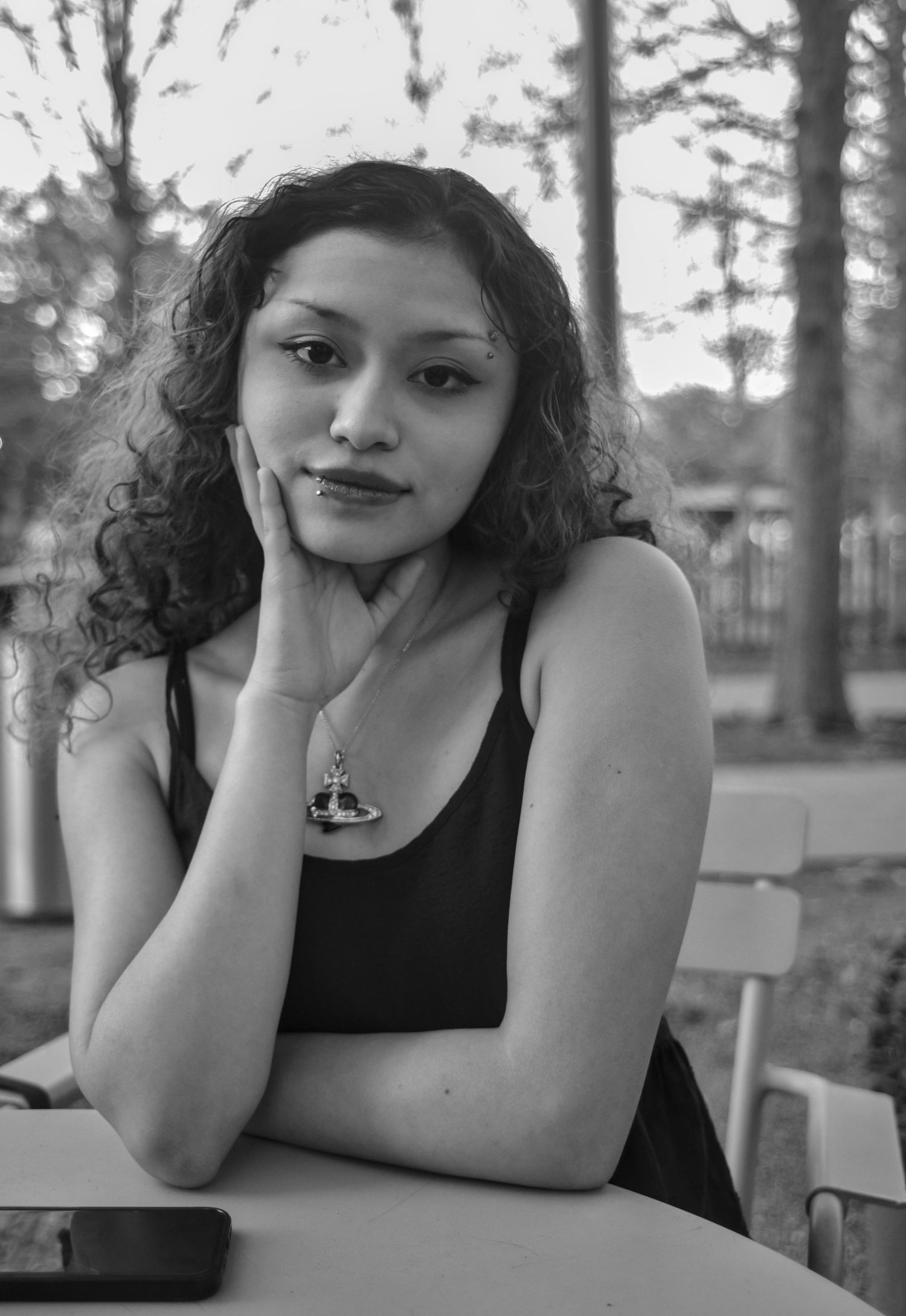
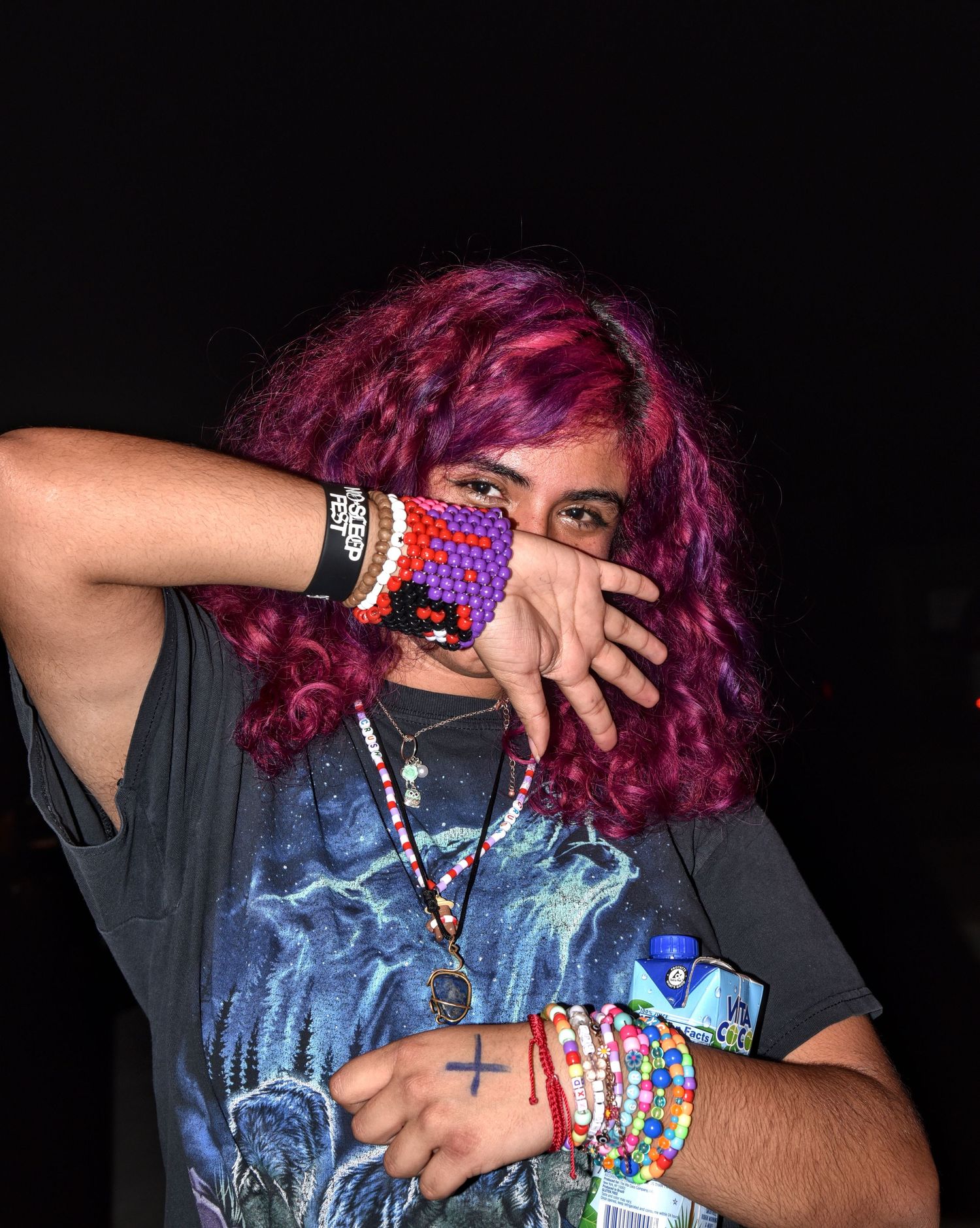
Lexi: So, my friend Rylee was the one who got me into doing that. I saw one where she was doing it to my friend Tristan from KJU. She was just doing it for fun, and then she stopped doing it, and I carried it on. So, it's kind of like it came from her. She used to just do that for fun with people we knew and stuff—sometimes even with me. Then, over time, I kind of just carried out that tradition. Now, at No Sleep Fest, people are like, "Hey, can you do a 0.5 of me? I was kind of scared to ask you." And I'm like, "Bro, what? Don't be scared of me, please." [chuckles] But yeah, that’s what happened. That’s how my 0.5 series started, and that was like a year or two ago.